For Women Struggling with Debilitating Menopause Symptoms
For Women Struggling with Debilitating
Menopause Symptoms
How To Reclaim Your Vitality and Feel Like Yourself Again Without Harsh Drugs or Feeling Like Your Body Has Betrayed You - Starting Today
A step-by-step guide on how to manage menopause symptoms naturally using proven holistic techniques that work with your changing body, not against it.
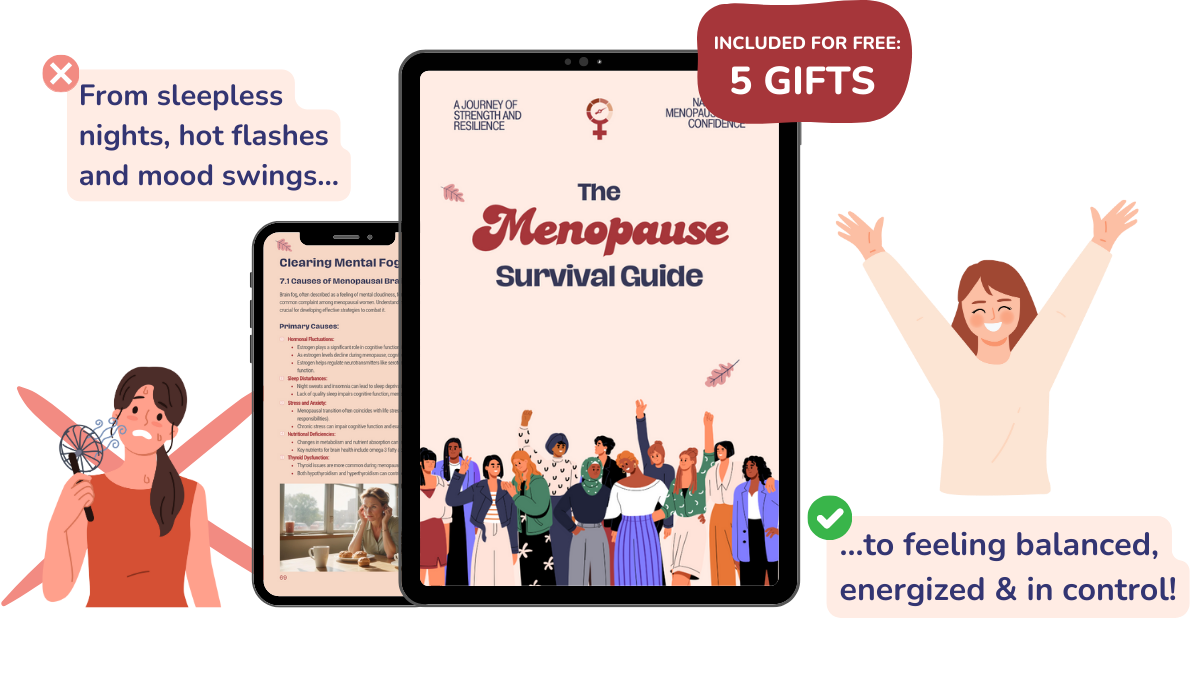
What is The Menopause Survival Guide?
The Menopause Survival Guide is a practical, easy-to-implement approach to managing your menopause symptoms based on real-world experience and extensive research into natural solutions.
Created by Dr. Liesa Harte, M.D. – a fellow menopausal woman, functional medicine physician, and wellness advocate who has helped more than 38,000 women find relief from hot flashes, night sweats, brain fog and more…
This simple guide empowers you with effective natural strategies that show results fast.
Your symptoms will start improving within days. And you'll feel more energized, balanced, and in control while enjoying better sleep and a renewed sense of well-being.
The Menopause Survival Guide
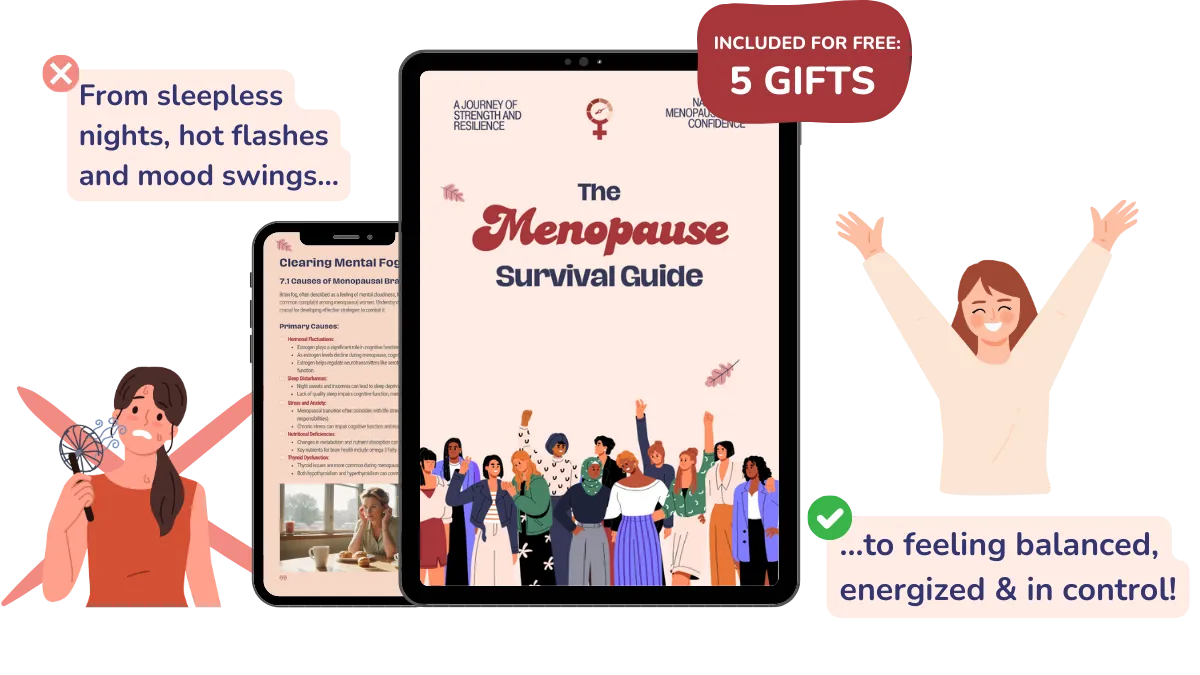
Discover the step-by-step "Symptom Slayer" system that conquers even the most stubborn menopause miseries - when nothing else has worked
Uncover little-known, yet shockingly effective strategies you can use TODAY to start feeling better IMMEDIATELY
Gain exclusive access to my vault of tried-and-true techniques, honed from years of research and helping thousands of real women conquer their toughest menopause challenges
One-time investment unlocks LIFETIME access - no monthly fees, no falling behind, just ongoing support whenever you need it
Our iron-clad 30-day "Feel Like Yourself Again" guarantee - love it or your money back, no questions asked
Custom-tailored advice for every stage of your menopause journey - from first hot flash to full-blown post-menopause freedom
Perfect for women who crave natural solutions and lasting lifestyle changes (without risky drugs or side effects)
ALSO INCLUDED: 🎁 5 FREE BONUS GIFTS 🎁 that help you manage mood swings, improve sleep, boost libido, and much more (total value of $184)
$97.00
ONLY $17

Backed By Our Unconditional
30 Day Money Back Guarantee
The Menopause Survival Guide is a Proven SHORTCUT to Feeling Like Yourself Again
When I entered perimenopause in my mid-40s, I thought I knew what to expect. But I quickly realized that nothing could have prepared me for the rollercoaster of symptoms that hit me like a freight train.
I was totally unprepared for the constant hot flashes that left me red-faced and sweating in business meetings, the night sweats that soaked my sheets, and the brain fog that made me feel like I was losing my mind.
NOTHING WORKED and I felt like my body had betrayed me.
I was exhausted from lack of sleep, irritable from mood swings, and embarrassed by unpredictable bleeding. My self-confidence plummeted.
I began to dread every day, wondering which new symptoms would emerge.
The physical and emotional toll was overwhelming, and I felt like I was DROWNING…
So I decided to find a better way. I've spent years researching and working with overwhelmed women just like you, and I've developed a set of simple, effective tools that really work for managing menopause symptoms without relying solely on HRT or using harsh drugs with nasty side effects.
And because I know you're exhausted and need help NOW, I've distilled everything into an easy-to-follow guide that you can start implementing today.
It's the menopause lifeline I wish I'd had years ago!
Here's What This Means For Your Life…
Your hot flashes and night sweats will dramatically decrease in frequency and intensity. No more constant flushing, no more drenching your sheets. You'll finally feel comfortable in your own skin again.
You'll start sleeping through the night, waking up refreshed and ready to tackle your day. (No more insomnia-induced exhaustion or brain fog!)
You'll stop feeling like your body is out of control. This is how I felt when I was struggling with perimenopausal mood swings… But with this guide, you'll have the tools to balance your emotions, and you'll feel confident and in control again.
Your energy levels will soar, allowing you to enjoy your life, work, and relationships again. Menopause fatigue won't dominate your days anymore.
Your mood will stabilize, reducing anxiety, irritability, and unexplained sadness. Learn how to navigate the emotional changes and feel more like your old self.
You'll see improvements in memory and concentration. Better cognitive function helps with work performance, personal relationships, and builds the foundation for a vibrant second half of life!
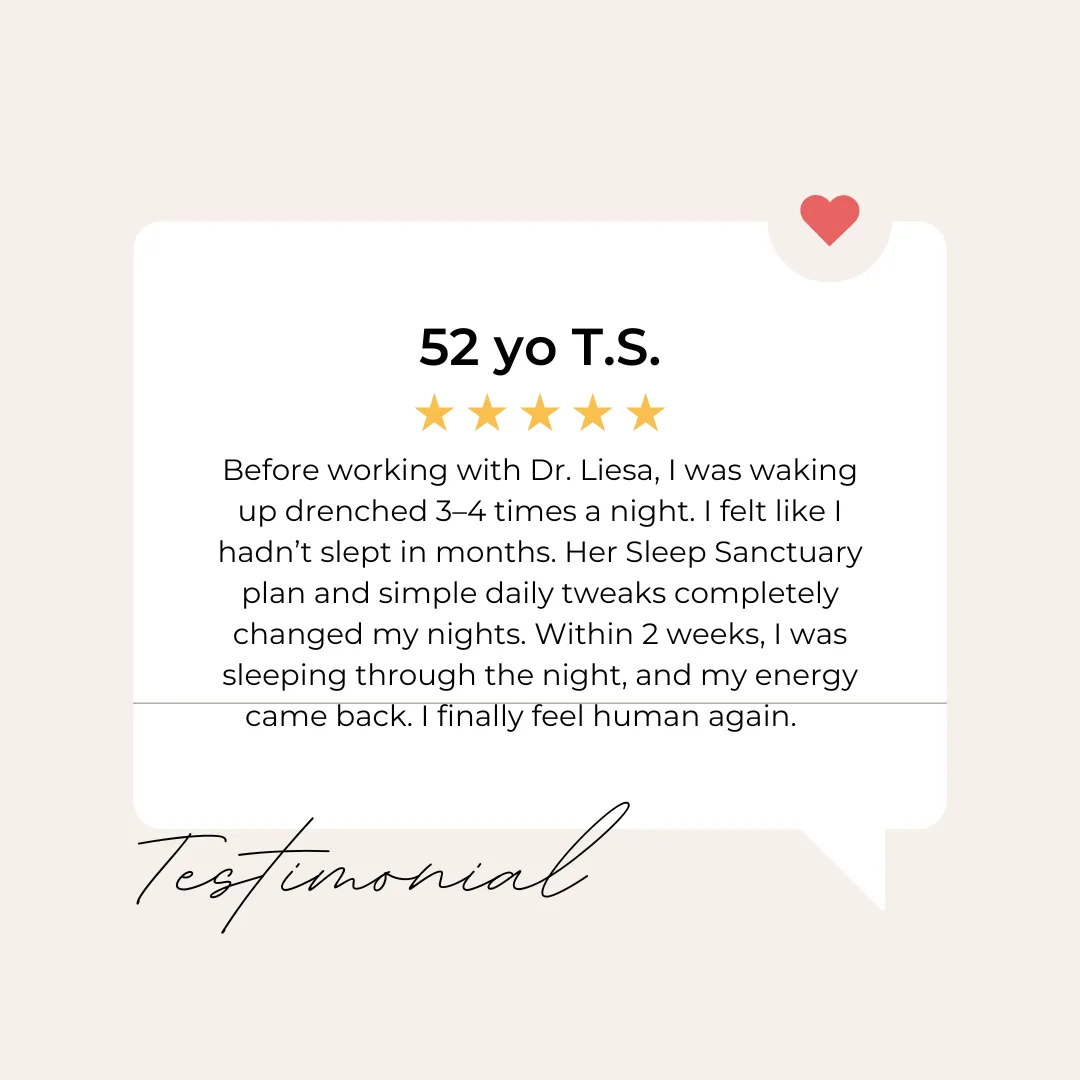
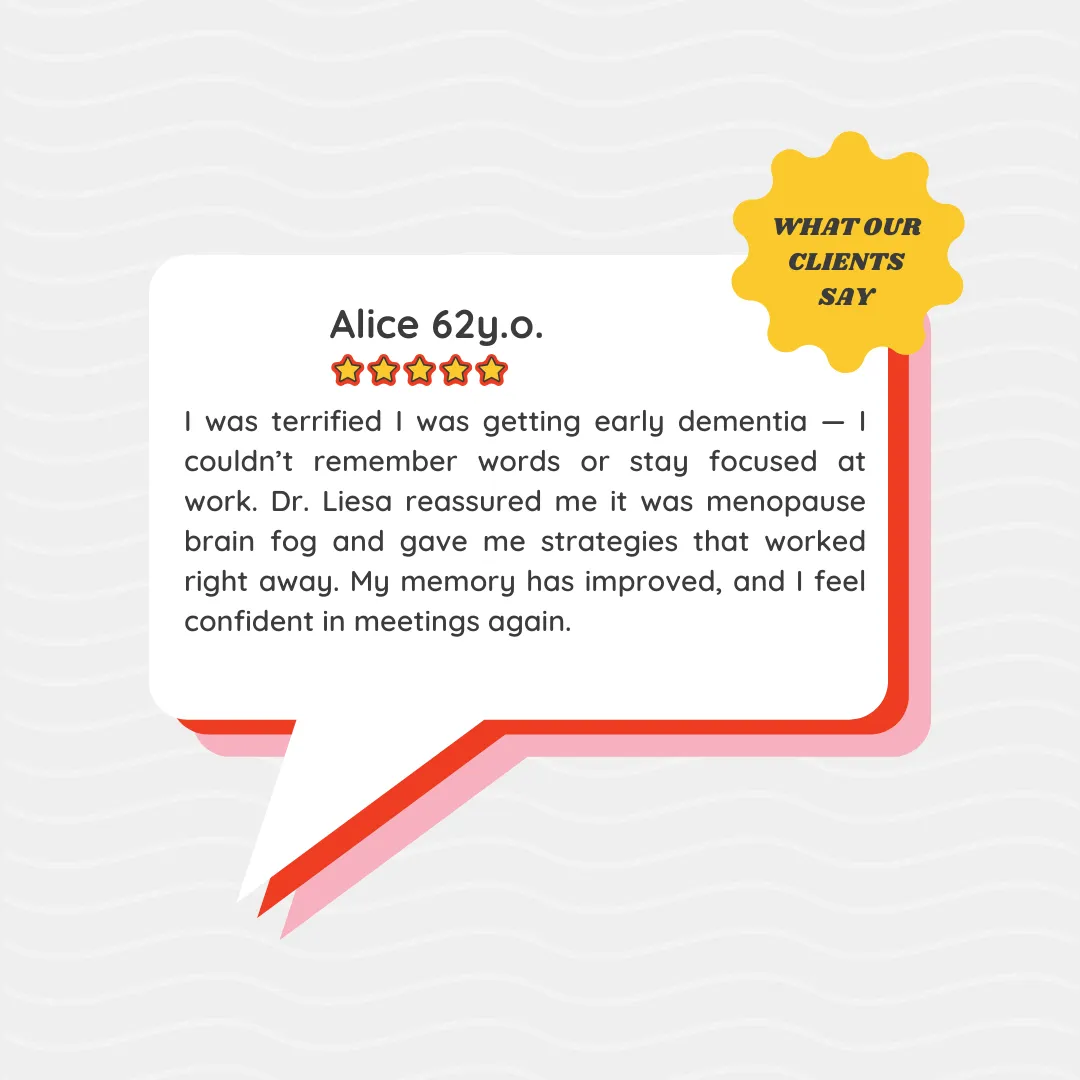
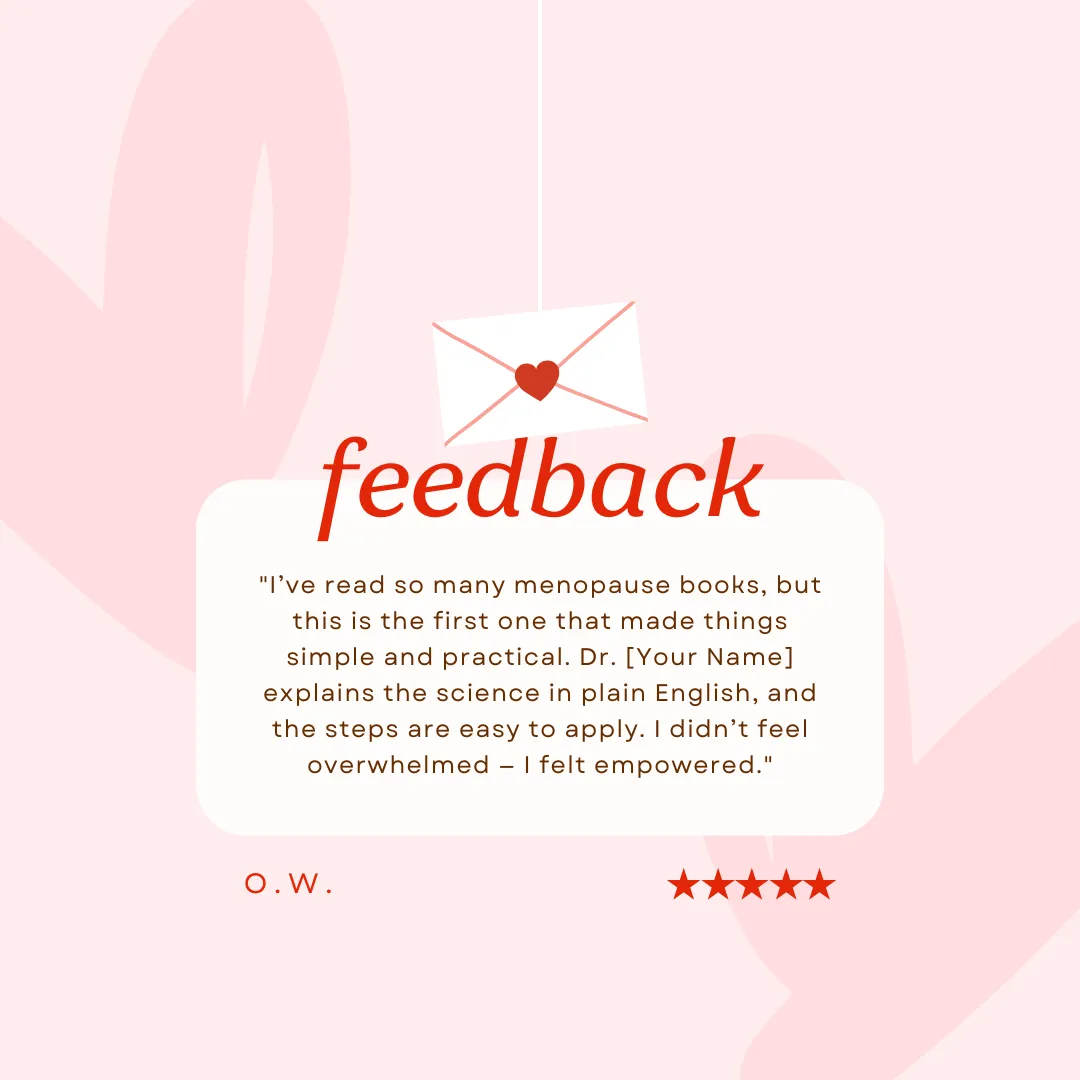
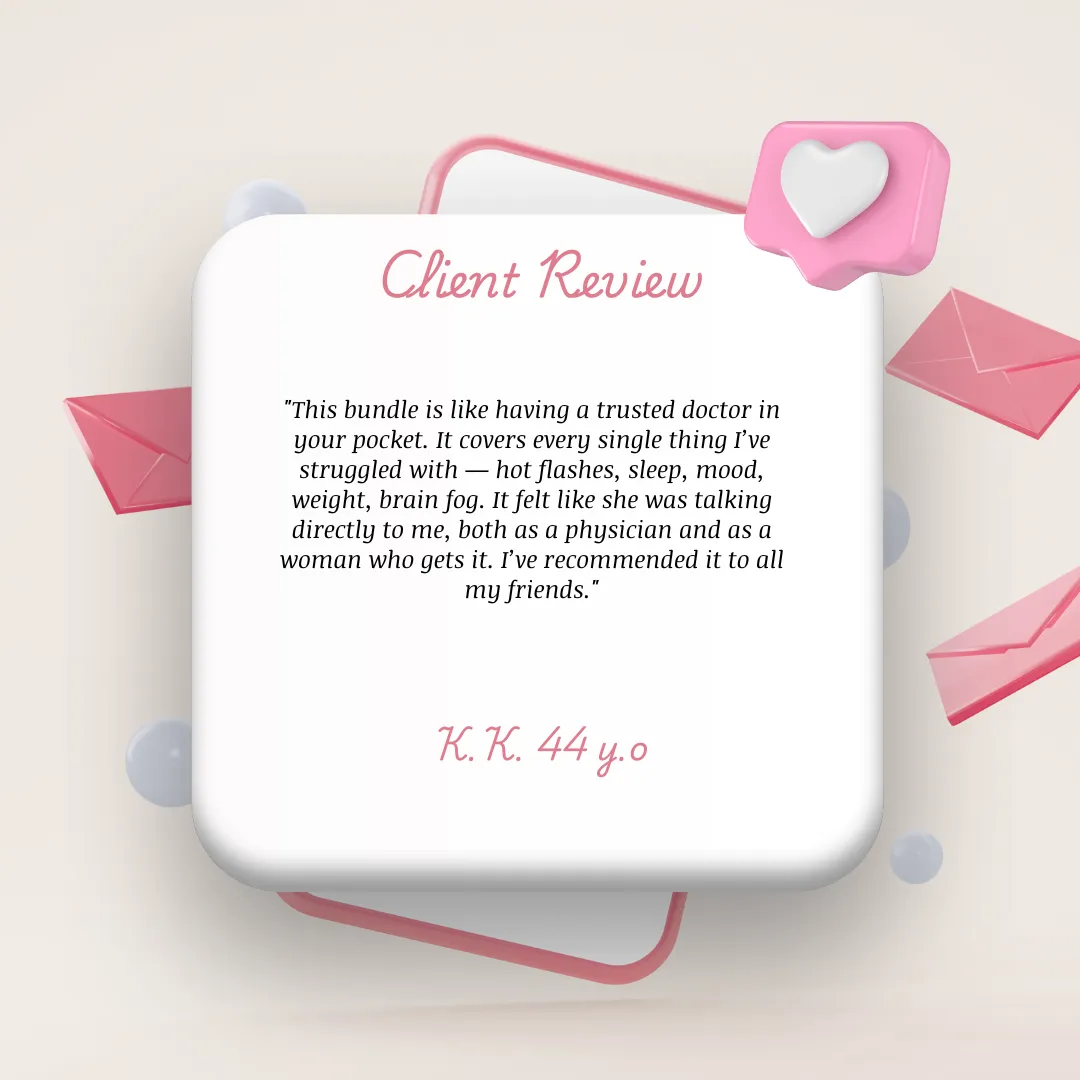
Here's how my Guide has helped over 38,162 women...
My best menopause management advice sent to you in one comprehensive guide
After implementing this
easy-to-follow plan, you'll…
Watch your hot flashes go from constant and severe to mild and manageable. Really!
See your energy levels soar as you finally get restful sleep without night sweats. Whaat?!
Enjoy more stable moods with fewer anxiety attacks and crying spells.
Have a set of holistic strategies that actually work, even on your toughest days.
Feel like yourself again – less foggy, more vibrant, and actually enjoying this stage of life.
You're getting LIFETIME access to…
A practical step-by-step guide for transforming your menopause experience even if you're having debilitating symptoms and nothing else has worked.
Actionable strategies you can implement immediately.
PLUS 5 FREE gifts that address your most pressing menopause challenges (total value of $184).
Here's exactly how it works…
Download the guide instantly
Start reading and implementing the strategies right away
See improvements in your symptoms and well-being almost immediately
You'll have a complete toolkit for managing your menopause effectively
$97.00
ONLY $17
You're saving $80 today!
Backed By Our Unconditional
30 Day Money Back Guarantee
Here's everything You're Getting PLUS The FIVE FREE GIFTS ($184 Total Value)
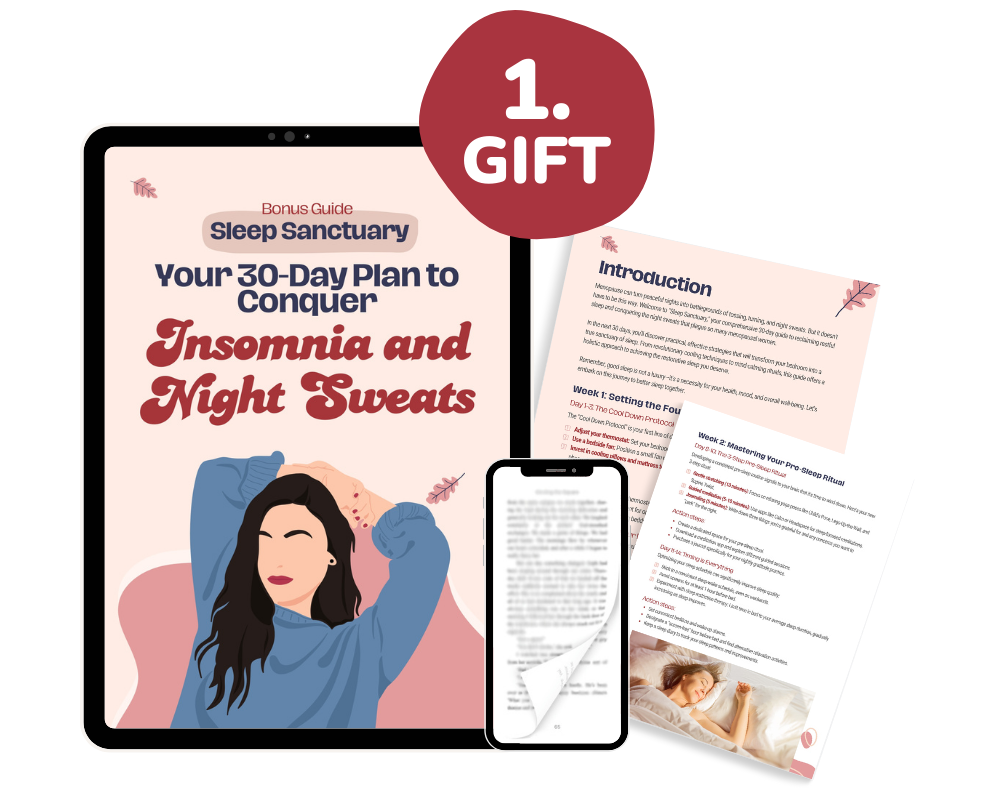
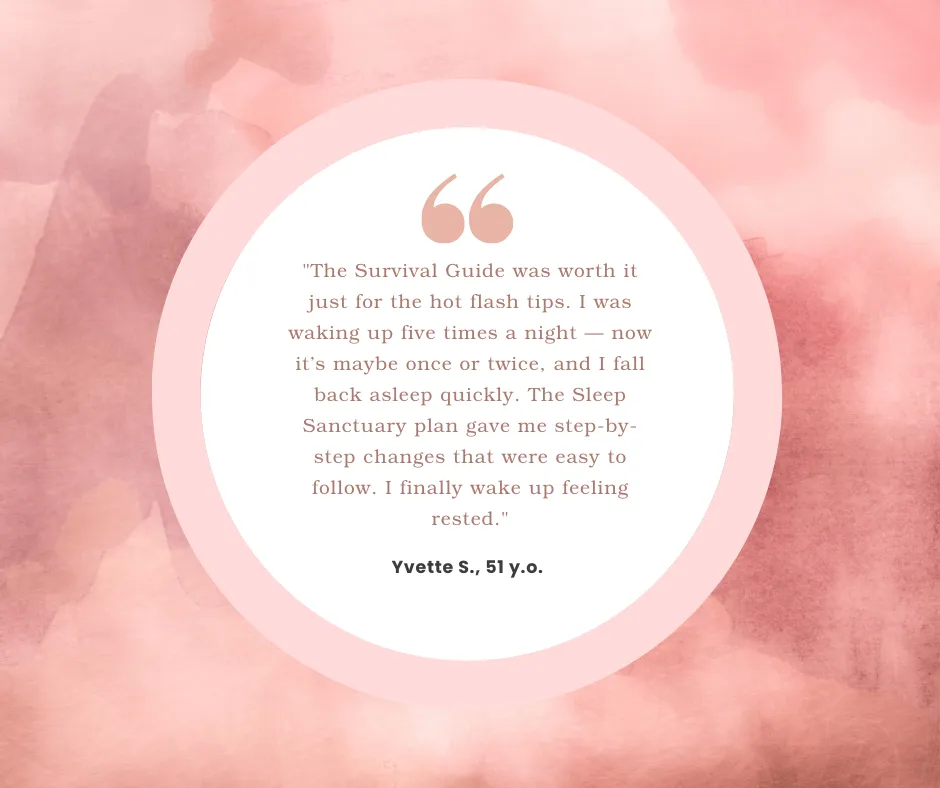
Sleep Sanctuary: Your 30-Day Plan to Conquer Insomnia and Night Sweats
Are you tired of waking up drenched in sweat, tossing and turning all night? Imagine drifting off to sleep effortlessly and waking up refreshed, every single morning. "Sleep Sanctuary" is your ticket to peaceful nights and energized days. This isn't just another sleep guide – it's a lifeline for menopausal women who've tried everything else. In just 30 days, you'll discover:
The "Cool Down Protocol" that stops night sweats in their tracks
A revolutionary bedding system that regulates your body temperature
The 3-step pre-sleep ritual that tricks your brain into deep, restorative slumber
And much more!
Don't spend another night fighting for sleep. Reclaim your nights and transform your days with "Sleep Sanctuary."
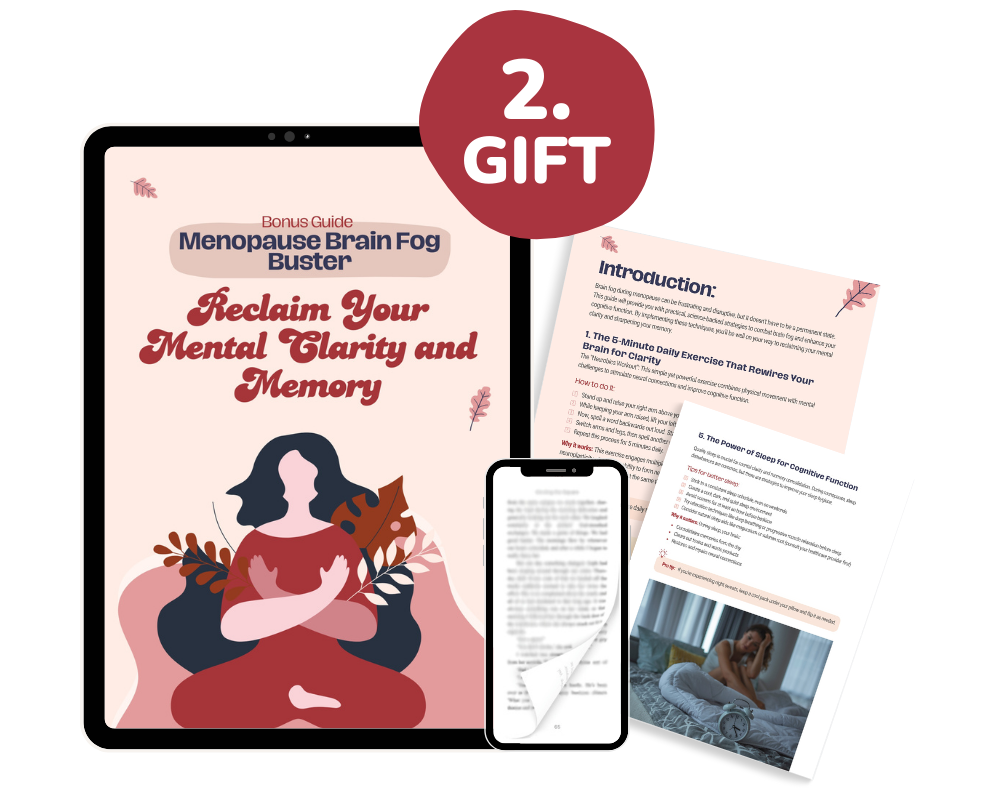
Menopause Brain Fog Buster: Reclaim Your Mental Clarity and Memory
Are you sick of forgetting names, losing your train of thought, or walking into rooms with no idea why you're there? You're not losing your mind – it's menopause brain fog, and there's a solution. "Menopause Brain Fog Buster" is your key to unlocking crystal-clear thinking and razor-sharp memory. Inside, you'll uncover:
The 5-minute daily exercise that rewires your brain for clarity
The forgotten nutrient that 9 out of 10 menopausal women are missing (Hint: It's not estrogen!)
The "Mental Magnifier" technique used by memory champions to recall anything, anytime
And so much more!
Stop struggling to keep up. Sharpen your mind and dazzle everyone with your quick wit and recall. Get your "Menopause Brain Fog Buster" today!
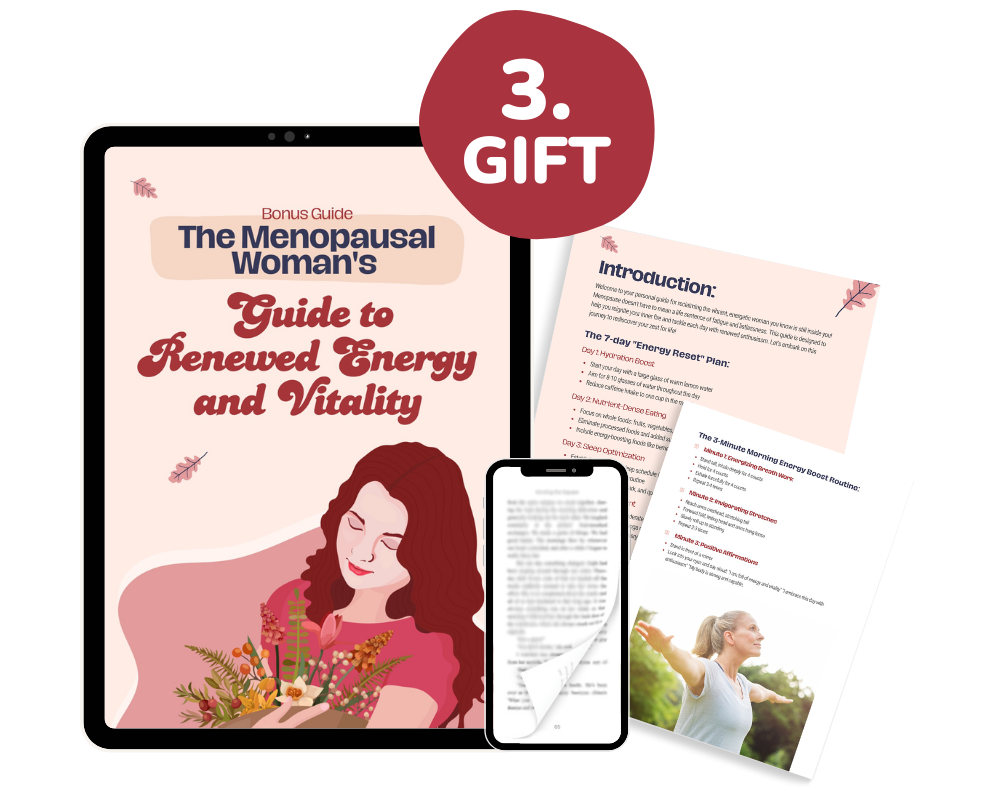
The Menopausal Woman's Guide to Renewed Energy and Vitality
Remember when you could power through your day without feeling like you're dragging an anchor? That vibrant, energetic you is still in there – and this guide will help you set her free. "The Menopausal Woman's Guide to Renewed Energy and Vitality" is your personal roadmap to reclaiming the spring in your step. Discover:
The 7-day "Energy Reset" that kickstarts your body's power plant
The surprising household item that's zapping your energy (and how to neutralize it)
The 3-minute morning routine that gives you more pep than a pot of coffee
And countless other energy-boosting secrets!
Don't settle for feeling drained and depleted. Reignite your inner fire and tackle each day with boundless enthusiasm. Your energized life awaits!
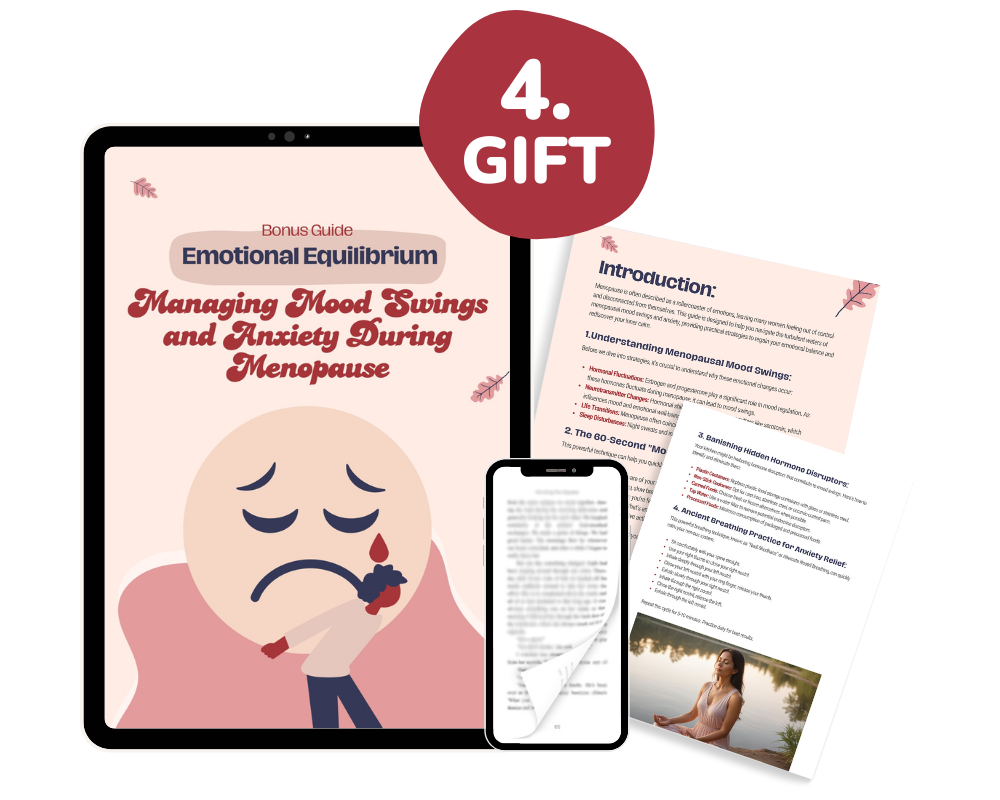
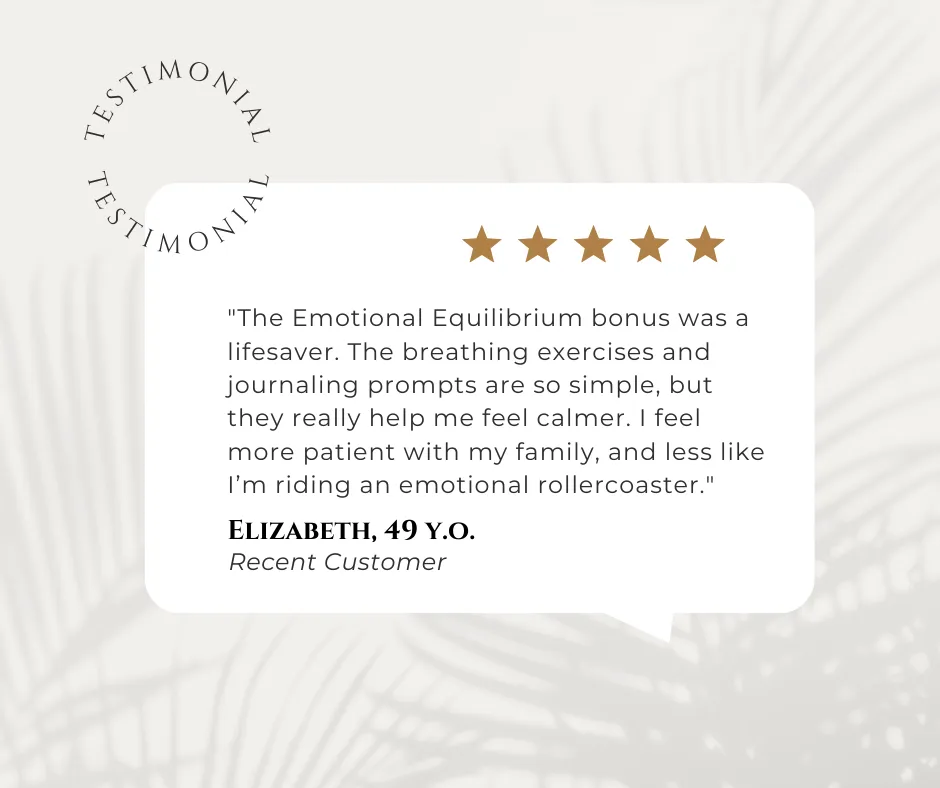
Emotional Equilibrium: Managing Mood Swings and Anxiety During Menopause
Are unpredictable emotions turning your life into a roller coaster ride? Do you feel like a stranger in your own skin? You're not alone, and you're not crazy. "Emotional Equilibrium" is your compass for navigating the stormy seas of menopausal mood swings. In this revolutionary guide, you'll learn:
The 60-second "Mood Shifter" technique that stops emotional tsunamis in their tracks
The hidden hormone disruptor lurking in your kitchen (and how to banish it for good)
The ancient breathing practice that melts away anxiety faster than any pill
And a treasure trove of other emotional balancing acts!
Stop apologizing for your feelings. Regain control of your emotions and rediscover your inner calm. "Emotional Equilibrium" is your passport to peace of mind.
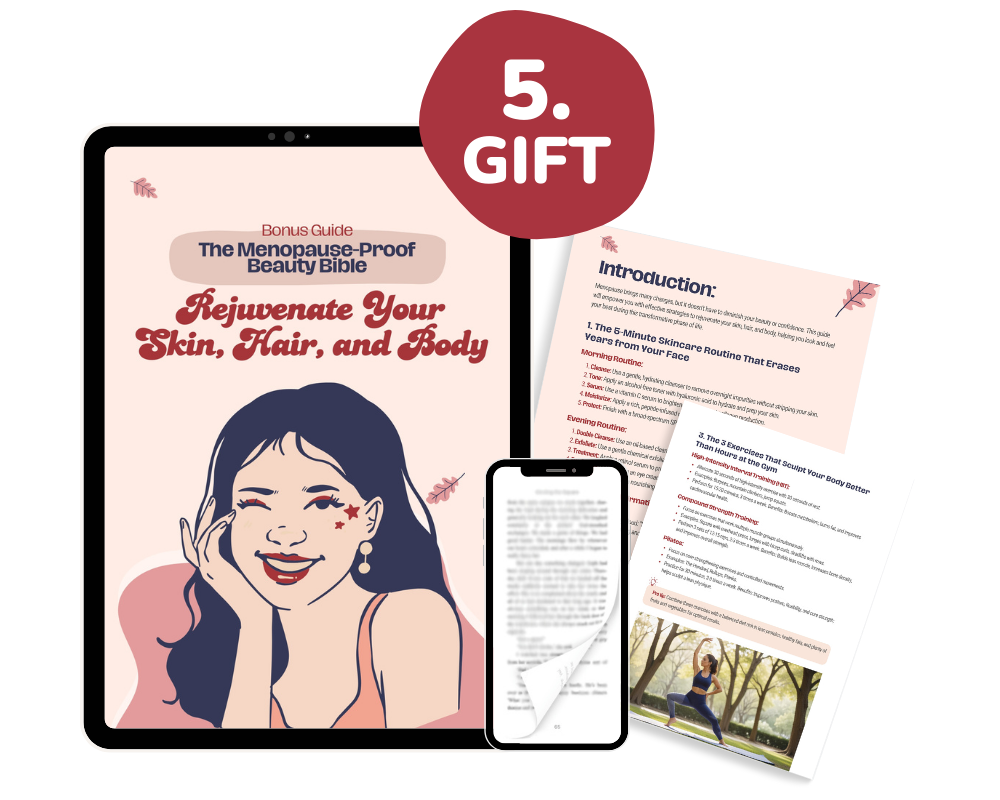
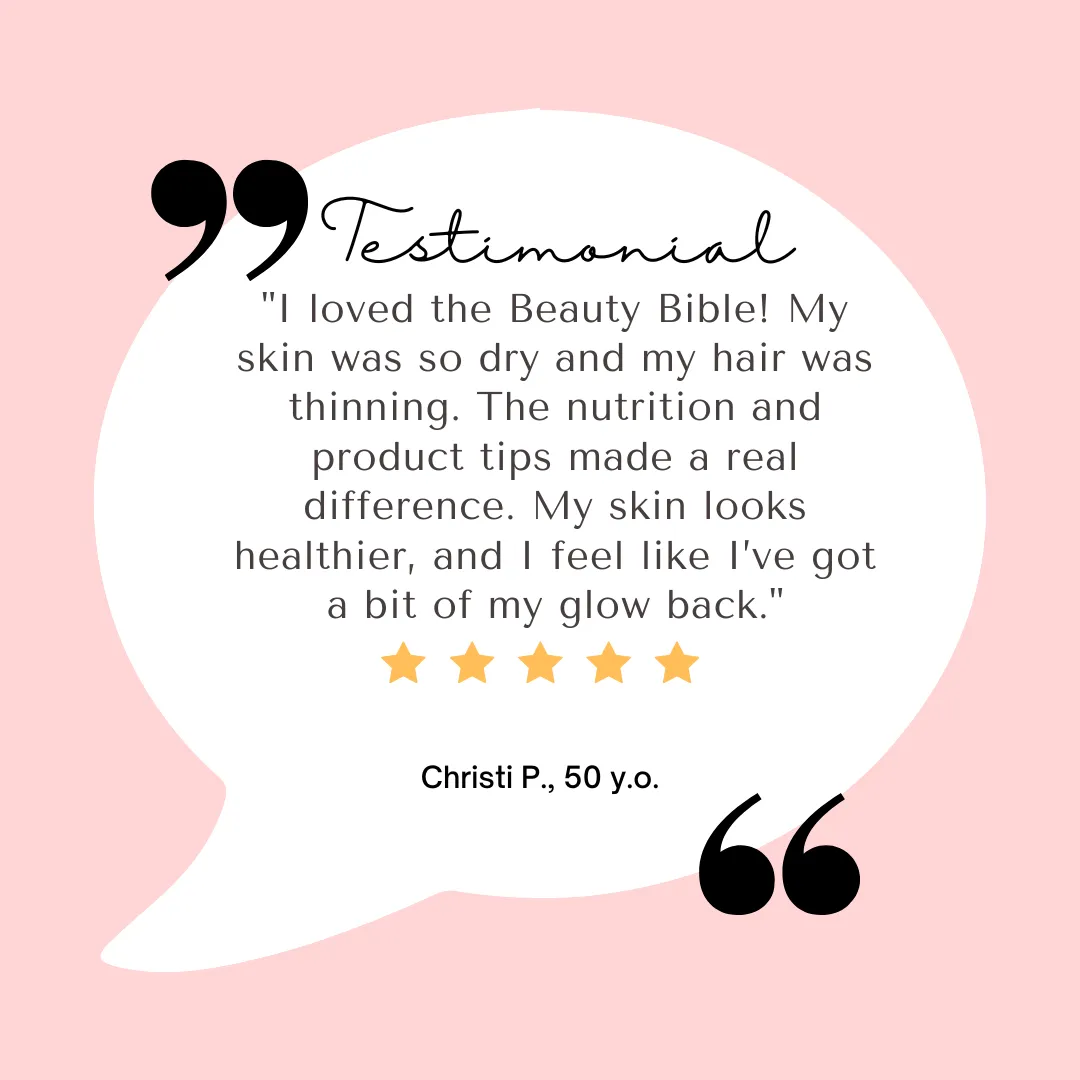
The Menopause-Proof Beauty Bible: Rejuvenate Your Skin, Hair, and Body
Is your mirror suddenly showing a stranger? Are you watching helplessly as your skin sags, your hair thins, and your waistline expands? It's time to fight back against the visible signs of menopause. "The Menopause-Proof Beauty Bible" is your secret weapon in the battle against time. Uncover:
The 5-minute skincare routine that erases years from your face
The "miracle molecule" that restores volume to thinning hair (It's not what you think!)
The 3 exercises that sculpt your body better than hours at the gym
And an arsenal of other beauty-boosting, age-defying secrets!
Don't let menopause steal your glow. Reclaim your radiance and turn heads at any age. With "The Menopause-Proof Beauty Bible," you'll not only look younger – you'll feel younger too!
Here's everything You're Getting PLUS The FIVE FREE GIFTS ($184 Total Value)
Sleep Sanctuary: Your 30-Day Plan to Conquer Insomnia and Night Sweats
Are you tired of waking up drenched in sweat, tossing and turning all night? Imagine drifting off to sleep effortlessly and waking up refreshed, every single morning. "Sleep Sanctuary" is your ticket to peaceful nights and energized days. This isn't just another sleep guide – it's a lifeline for menopausal women who've tried everything else. In just 30 days, you'll discover:
The "Cool Down Protocol" that stops night sweats in their tracks
A revolutionary bedding system that regulates your body temperature
The 3-step pre-sleep ritual that tricks your brain into deep, restorative slumber
And much more!
Don't spend another night fighting for sleep. Reclaim your nights and transform your days with "Sleep Sanctuary."
Menopause Brain Fog Buster: Reclaim Your Mental Clarity and Memory
Are you sick of forgetting names, losing your train of thought, or walking into rooms with no idea why you're there? You're not losing your mind – it's menopause brain fog, and there's a solution. "Menopause Brain Fog Buster" is your key to unlocking crystal-clear thinking and razor-sharp memory. Inside, you'll uncover:
The 5-minute daily exercise that rewires your brain for clarity
The forgotten nutrient that 9 out of 10 menopausal women are missing (Hint: It's not estrogen!)
The "Mental Magnifier" technique used by memory champions to recall anything, anytime
And so much more!
Stop struggling to keep up. Sharpen your mind and dazzle everyone with your quick wit and recall. Get your "Menopause Brain Fog Buster" today!
The Menopausal Woman's Guide to Renewed Energy and Vitality
Remember when you could power through your day without feeling like you're dragging an anchor? That vibrant, energetic you is still in there – and this guide will help you set her free. "The Menopausal Woman's Guide to Renewed Energy and Vitality" is your personal roadmap to reclaiming the spring in your step. Discover:
The 7-day "Energy Reset" that kickstarts your body's power plant
The surprising household item that's zapping your energy (and how to neutralize it)
The 3-minute morning routine that gives you more pep than a pot of coffee
And countless other energy-boosting secrets!
Don't settle for feeling drained and depleted. Reignite your inner fire and tackle each day with boundless enthusiasm. Your energized life awaits!
Emotional Equilibrium: Managing Mood Swings and Anxiety During Menopause
Are unpredictable emotions turning your life into a roller coaster ride? Do you feel like a stranger in your own skin? You're not alone, and you're not crazy. "Emotional Equilibrium" is your compass for navigating the stormy seas of menopausal mood swings. In this revolutionary guide, you'll learn:
The 60-second "Mood Shifter" technique that stops emotional tsunamis in their tracks
The hidden hormone disruptor lurking in your kitchen (and how to banish it for good)
The ancient breathing practice that melts away anxiety faster than any pill
And a treasure trove of other emotional balancing acts!
Stop apologizing for your feelings. Regain control of your emotions and rediscover your inner calm. "Emotional Equilibrium" is your passport to peace of mind.
The Menopause-Proof Beauty Bible: Rejuvenate Your Skin, Hair, and Body
Is your mirror suddenly showing a stranger? Are you watching helplessly as your skin sags, your hair thins, and your waistline expands? It's time to fight back against the visible signs of menopause. "The Menopause-Proof Beauty Bible" is your secret weapon in the battle against time. Uncover:
The 5-minute skincare routine that erases years from your face
The "miracle molecule" that restores volume to thinning hair (It's not what you think!)
The 3 exercises that sculpt your body better than hours at the gym
And an arsenal of other beauty-boosting, age-defying secrets!
Don't let menopause steal your glow. Reclaim your radiance and turn heads at any age. With "The Menopause-Proof Beauty Bible," you'll not only look younger – you'll feel younger too!
Backed By Our 30-Day Money Back Guarantee
Join 38,000+ Women Who Transformed Their Menopause Experience
Join 38,000+ Women Who Transformed Their Menopause Experience

Dear exhausted, overwhelmed woman,
I know you're at your wit's end.
You've tried everything to manage your menopause symptoms and feel like yourself again.
But nothing seems to work for more than a day or two.
Your body feels like it's in constant chaos.
Work is a daily struggle as you battle brain fog and fatigue.
And you're tired of feeling like you're going crazy, with mood swings that come out of nowhere.
You want to enjoy your life and relationships, but sometimes…
You wonder if you'll ever feel like yourself again.
I've been exactly where you are.And I'm here to tell you – it's not your fault.
And it can get better.
Much better.
Starting today.
Here's How I Went From Menopausal Mayhem to Vibrant Vitality
When my first hot flash hit me like a freight train at age 45, I was pretty confident that I would handle it well.
After all, I had been helping women patients through menopause for years. I'd read all the books and thought I knew what to expect!
Surely I could manage this transition that literally every woman goes through, right?
Turns out I was completely unprepared for how menopause would rob me of my energy, mental clarity, and joy of being a woman…
In the beginning, I tried all the standard advice and we managed okay. But then the night sweats started, and the next thing I knew I was 47 and hadn't had a peaceful night's sleep in ages.
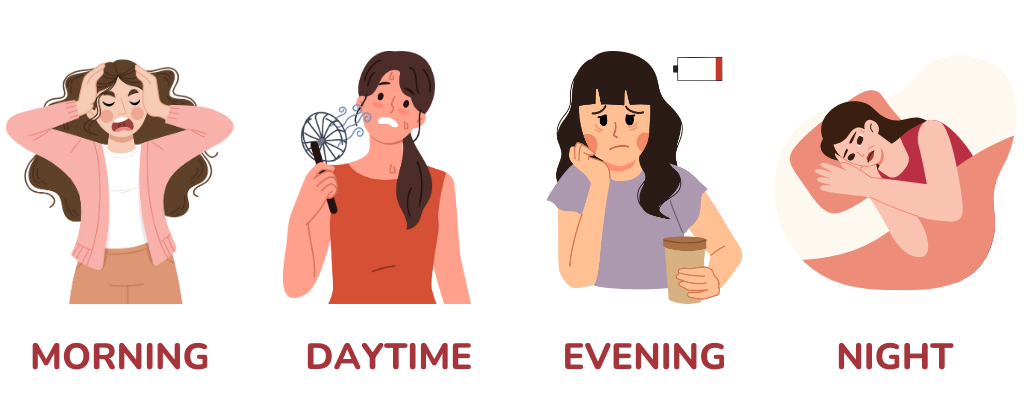
I felt totally overwhelmed, anxious, and even depressed…
I started thinking that things would never get better…
The worst part was that I didn't even recognize myself anymore. One minute I'd be fine, the next I'd be in tears or snapping at everyone around me.What was happening to me? Why couldn't I control my own body and emotions?
This isn't who I am…
But there was a small voice inside me telling me that managing menopause was the problem, not me…
It assured me that I was strong enough to tackle this challenge, I was just too exhausted to realize it.
This voice convinced me that if we found the right strategies, everything would get better.
I scoured the internet and all the books I could get my hands on to find a solution. But it felt like drinking from a firehose. An avalanche of conflicting information that made me feel even more lost…
Nothing I found felt right…
I even tried "Just Suffer Through It" & "Harsh HRT" but it all felt WRONG
Most advice I found didn't address the full spectrum of symptoms I was experiencing…
And since I couldn't find what I needed, I decided to create it.
After literally trying everything…
My symptoms started improving in LESS than a week.
I felt incredible….
I was clear-headed, energetic, and emotionally balanced – like myself again!
And finally, I could start enjoying being a vibrant, wise woman in this exciting new phase of life! Yaaay!
And just like that, I started to feel like myself again…
Then I started sharing what I discovered…
The method I created for myself proved so effective that women started coming to me left and right.
The word spread like wildfire.
Soon I started speaking to groups of women, teaching online to women all around the globe, and even consulting with other doctors!
This is how "The Menopause Survival Guide" came to life…
Over the last few years, I've helped more than 38,000 women while fine-tuning my approach…My combination of cutting-edge research, holistic health principles, and proven, practical methods has helped women of all backgrounds, no matter their situation – The Natural Menopause Relief Method.
It's fully customizable to match your unique symptoms and lifestyle. It even works if you prefer to avoid HRT!!!
Here's what happens when you try the "Natural Menopause Relief Method"
Watch your hot flashes go from constant and severe to mild and manageable. Really!
See your energy levels soar as you finally get restful sleep without night sweats. Whaat?!
Enjoy more stable moods with fewer anxiety attacks and crying spells.
Have a set of holistic strategies that actually work, even on your toughest days.
Feel like yourself again – clear-headed, emotionally balanced, and actually enjoying this stage of life.
All of my best advice distilled down into one easy-to-follow guide
After years of experience, I've taken everything I know and condensed it into a practical and easy-to-follow guide.
Transform Your Menopause Experience Starting Today
$97.00
JOIN FOR ONLY $17
You're saving $80 today!
Backed By Our Unconditional
30 Day Money Back Guarantee
Frequently asked questions
got any questions?
Will this work for me if I'm already on HRT?
Absolutely! The Menopause Survival Guide is designed to complement any existing treatments, including HRT. Many women find that combining these natural strategies with their current regimen leads to even better symptom relief and overall well-being.
I've tried everything already. How is this different?
Unlike one-size-fits-all approaches, The Menopause Survival Guide is fully customizable to your unique symptoms and lifestyle. It combines cutting-edge research with time-tested holistic techniques, providing a comprehensive toolkit that addresses the root causes of your symptoms, not just temporary relief.
Is this just another diet plan?
Not at all! While nutrition plays a role, this guide goes far beyond diet. It includes strategies for managing stress, improving sleep, balancing hormones naturally, and even specific exercises to combat symptoms like hot flashes and mood swings. It's a complete lifestyle approach.
How quickly will I see results?
Many women report noticeable improvements within the first week of implementing these strategies. However, as everyone's body is different, you may experience relief even sooner or it may take a bit longer. The guide provides a step-by-step approach to ensure you see consistent progress.
I'm not tech-savvy. Is this complicated to use?
Not at all! The guide is delivered as a simple PDF that you can read on any device or print out if you prefer. The strategies are explained in clear, easy-to-understand language with practical steps you can implement right away, no technical skills required.
What if I'm in post-menopause? Is it too late for me?
It's never too late to improve your health and well-being! Many post-menopausal women find great relief using these strategies, especially for ongoing symptoms like hot flashes, sleep disturbances, and mood issues. The guide includes specific advice for women at every stage of the menopause journey.
What if it doesn't work for me?
We're confident you'll see improvements, but if for any reason you're not satisfied, we offer a 30-day money-back guarantee. You can try the entire program risk-free, and if it doesn't meet your expectations, simply request a refund. No questions asked.
Is this a one-time purchase or a subscription?
This is a one-time purchase. You get immediate, lifetime access to the guide and all five bonus gifts for a single payment of $17. There are no hidden fees, no subscriptions, and no recurring charges.
I'm overwhelmed and exhausted. Is this going to be a lot of work?
We understand completely, and that's why we've designed this guide to be as easy and stress-free as possible. You'll find quick-start strategies you can implement in minutes, along with a gradual approach to making sustainable changes. You can go at your own pace and focus on what works best for you.
Privacy Policy | Guarantee Terms & Conditions
This site is not a part of the Facebook website or Facebook Inc. Additionally, This site is NOT endorsed by Facebook in any way. FACEBOOK is a trademark of FACEBOOK, Inc.
Disclaimer: The information provided in this guide is for educational and informational purposes only. It is not intended as medical advice, diagnosis, or treatment. Reading this guide does not create a doctor-patient relationship between you and Dr. Liesa Harte, M.D..
Every woman’s health is unique. Before starting or changing any diet, supplement, exercise program, or medical treatment, please consult your qualified healthcare provider.
If you are experiencing severe symptoms, persistent health issues, or a medical emergency, seek medical care promptly.
The information provided on this website and in The Menopause Survival Guide is for informational and educational purposes only and is not medical advice. It is not a substitute for professional medical advice from your own doctor, diagnosis, or treatment. Always consult with a qualified healthcare provider before making any changes to your health, diet, or treatment plan.
Results may vary based on individual circumstances, and no specific outcome is guaranteed.
Furthermore, this website may contain general claims about wellness and health improvements. These statements have not been evaluated by the Food and Drug Administration (FDA) or any other regulatory body. This product is not intended to diagnose, treat, cure, or prevent any disease.
By purchasing this product, you acknowledge that you are responsible for your own health decisions. Neither the product creator, seller, nor any affiliated parties shall be held liable for any direct or indirect damages or consequences arising from the use of this content.
© 2026 DrLiesa.com. All Rights Reserved